
How a Crimson Moon run works
From the War Table to a ward boss, without treating death like a commute.
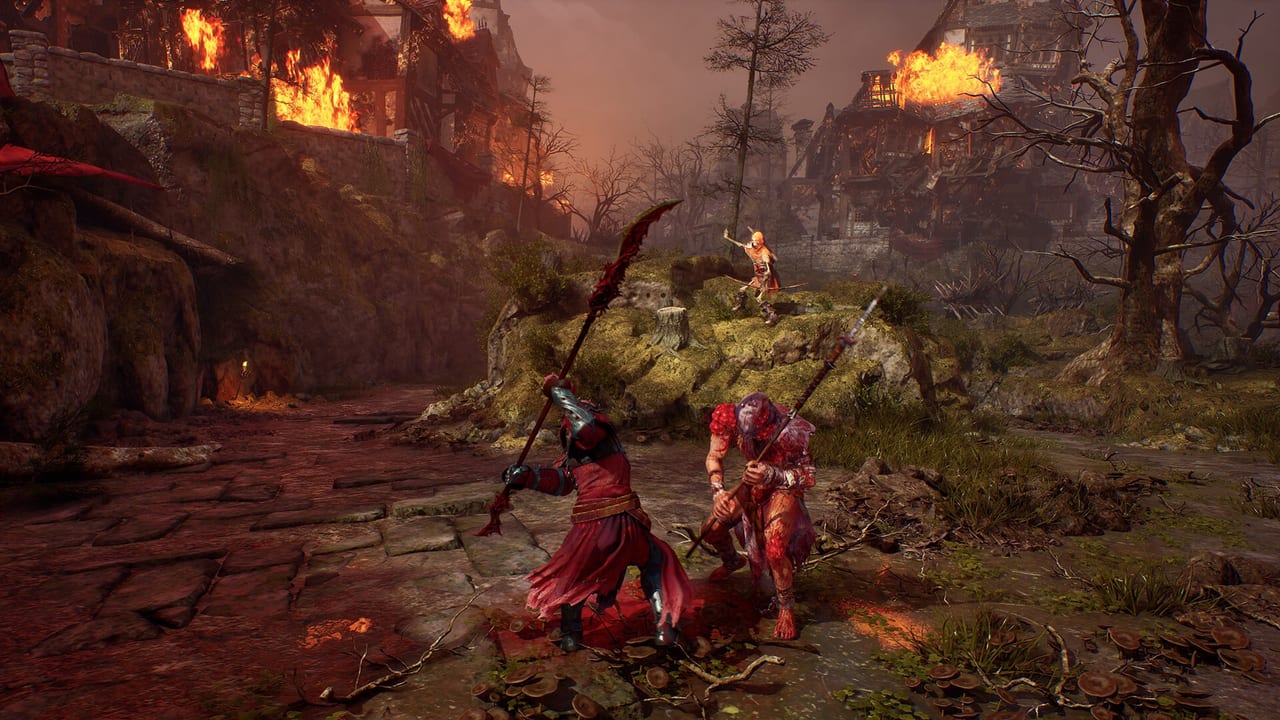
A Crimson Moon run is the unit of play. Official explainers and preview coverage describe hunts that last about fifteen to forty-five minutes, not an open-world afternoon. You leave Sanctus Clypeus, fight through a district of Gildenarch, spend lives when you fall, pick Boons at Nexus Gates, and either extract knowledge or clear the objective. This page is the anatomy of that loop. Pair it with getting started for the first hour and with loot for what you keep afterward.
What a run is not
It is not a bonfire crawl across a continent. Death spends a life and puts you back in the fight. It is not a brand-new procedurally generated city every time. Districts such as Forsaken Streets are authored spaces; enemy packs, modifiers, and some room sequences remix. Chief product officer Mark Subotnick has called the design an action RPG with roguelike elements, not a pure roguelike wipe. Purification at the hub is how the closet grows.
It is also not a live-service season. The studio’s public line is a complete game at purchase. A run is how you spend an evening, not how a battle pass meters you.
Before you zone in
Every hunt starts at the loadout station in Sanctus Clypeus. Nine gear slots, two consumables, one Angel. Then the War Table: district, difficulty, modifiers. Higher difficulty pays better loot and denser packs. If you are still learning parries, do not stack three challenge modifiers on a ward you have never seen.
Early-look footage of Forsaken Streets showed a flame ritual on the spire when the mission was accepted. Treat that as flavor. The useful fact is that accepting a hunt commits the kit you just built. You cannot swap Angels mid-street.
Inside the district
You do not have to kill every last enemy. Preview hunters described a kill-enough-to-open-the-gate structure: pressure packs until the path forward unlocks, rather than a completionist sweep. That is why a two-hander that clears a room slower than an art can still be the right tool if it opens the gate with lives left.
Nexus Gates appear mid-hunt as a one-of-three Boon pick. Official beginner advice is to stack Boons that feed your Weapon Art, not the largest isolated number. Some preview rooms also offered health or mana before a boss. Mana is the resource Weapon Arts spend in those hands-on builds. If your art is a throw-and-recall, a mana Boon is a build decision, not a side grade.
Secrets and chests sit off the critical path. Grab them while you still have lives. Do not backtrack a whole ward for a common trinket while the boss is untouched. Loot sources remain chests, elites, bosses, secrets, and end-of-mission rewards, as the loot page lists.
Lives, extracts, and when the hunt ends
The lives pool is the run’s timer in disguise. Each true death spends a life. In co-op, a partner can revive you before that spend. Empty the pool and the hunt ends. Unpurified finds do not join the arsenal. That is the roguelite half. The run was still useful if you learned an art you then purify on a later success.
A successful clear returns you to the Church. Purify, visit Gajov, restock at Lottie, dump lore at Mereda, then queue the next district or raise difficulty. Three districts in a row is how you unlock a world boss. That is a War Table ambition, not a street event.
Remix versus generation
Layout talk has been sloppy in coverage. Some previews said “procedural.” Later reporting described authored districts with remixing packs and modifiers. This wiki follows the second description until the launched client proves otherwise. You will learn rooms. The elite inside them will not always be the same vampire. That is why a story walkthrough with one safe path would lie.
A run checklist you can reuse
- Name the job of the kit in one sentence.
- Pick difficulty that lets you practice that sentence.
- Open the gate; do not vacuum the map.
- Take Nexus Boons that feed the art.
- Spend a life on purpose rather than a wipe on a revive animation.
- Clear or leave with a lesson.
- Purify only what served the sentence.
If you only remember one thing: a run is short on purpose. The combat guide and the builds hub exist so those forty-five minutes are not wasted on a confused loadout.
Frequently Asked Questions
Quick answers before you enter Gildenarch.
How long is a Crimson Moon run?
Official materials describe missions of about 15 to 45 minutes, plus hub time at Sanctus Clypeus.
Is every layout random?
Districts are authored. Enemy packs and modifiers remix. Do not expect a brand-new city generator every hunt.
What happens if I lose all lives?
The hunt ends. Permanent unlocks come from purifying gear after a successful return. See loot.
Do I have to kill every enemy?
Preview hunts used a kill-enough-to-open-the-gate structure. Lives are a resource. Sweeping the map is optional.