
Crimson Moon Loot and progression
Find it in Gildenarch. Purify it at the Church. Hunt with it forever.
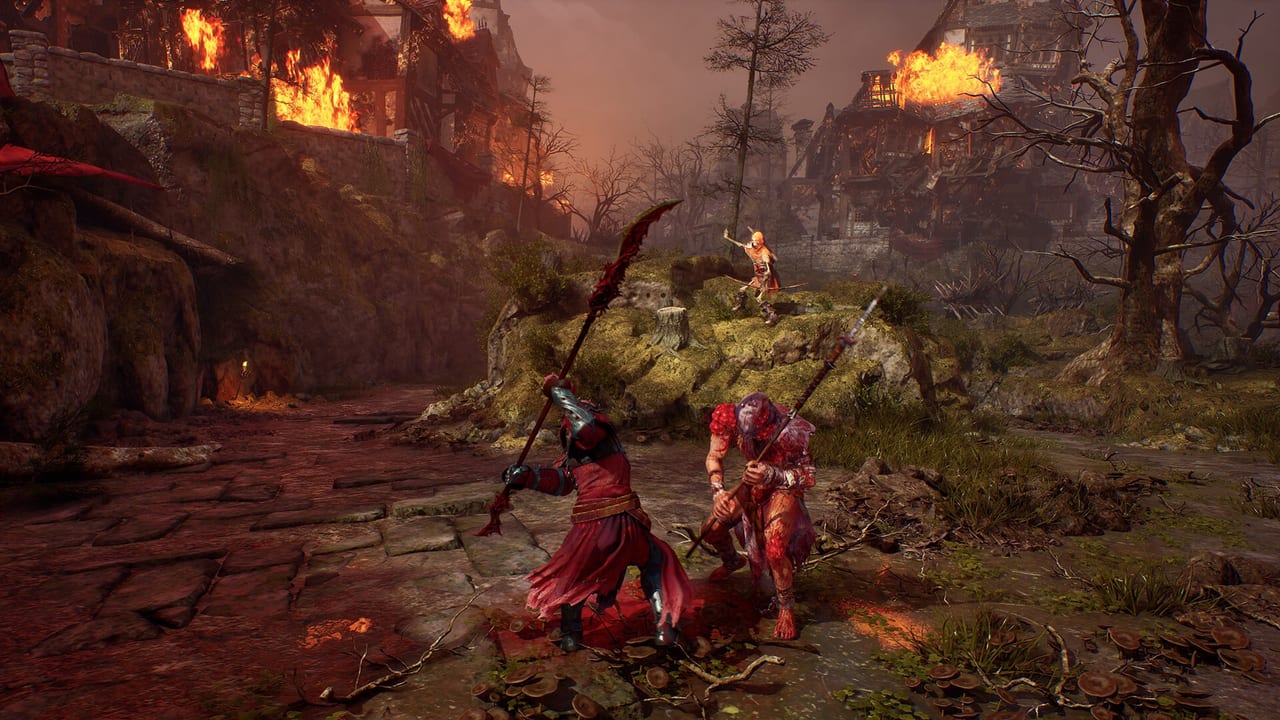
Crimson Moon’s economy is simple on purpose. You find weapons, armor, trinkets, consumables, and upgrades during a hunt. You bring the pieces you care about back to Sanctus Clypeus and purify them so they join a permanent arsenal. Future hunts can start with that kit. That is the roguelite half of an action RPG that still wants you to replay wards. This page is the systems read. For how a hunt begins, use getting started. For what to equip, use builds.
Where loot actually drops
Official loot trailers list four sources: chests, enemies and bosses, secret areas, and end-of-mission rewards. Previews add that chests in co-op can produce multiple drops so partners are not fist-fighting over one sword. Secrets are worth a detour if you still have lives. They are not worth a wipe. Bosses and elites are the rarity spike. If a room feels quiet, you missed a chest or a side path, not a bug.
Rarity climbs as you push deeper into Gildenarch. Stronger enemies, rarer loot, more dangerous wards. That sentence is in the official voiceover for a reason. Farming the first street forever will not equal a three-district streak. Difficulty modifiers on the War Table are another lever: harder hunts, better rewards. Turn them up after you can parry on purpose, not before.
Purification is the real progression
Finding a legendary in a doomed run is a story. Keeping it is a system. Purification permanently adds the item to your collection so the next loadout screen includes it. The studio has been explicit that this is why they call the game a roguelite rather than a roguelike. You are not resetting to fists. You are expanding a closet.
Gajov, the vampire blacksmith, is the rarity craftsman. Bring purified equipment to increase rarity or spend souls on new gear. An achievement already exists for upgrading a weapon or shield to rare or higher at the blacksmith (Gajov Make Strong). Treat that as a week-one goal. Angel Mode’s power and duration scale with equipment rarity, so Gajov is not a side hobby. He is how your transformation stops being a cosmetic glow.
Nine slots, sets, and why you do not hoard blindly
Every Nephilim equips nine pieces: four armor, two trinkets, and a one-hand-plus-shield or a two-hander. Some armor belongs to collections with synergies for aggressive or defensive styles. That is the closest thing Crimson Moon has to a class. Read armor sets before you purify four random legendaries that do not talk to each other. A set bonus you understand beats a higher rarity piece you never trigger.
Trinkets and throwables come from Lottie in the hub and from the world. Consumables occupy two loadout slots before a hunt. Use them. A potion sitting in the inventory while you spend a life is a misplay, not a savings plan. Mereda converts lore scrolls into Boons and soul blessings, which is progression that never appears as a sword icon. If you skip NPCs, you skip half the power budget. The hub guide is the map.
Boons, Nexus Gates, and run-defining luck
Boons are the mid-hunt deck. Some come on gear. Others appear as a one-of-three pick at Nexus Gates. Stack complementary effects. Official beginner advice is to choose Boons that work together rather than chasing the largest single number. That is also how you keep Weapon Arts fed. A projectile art plus cooldown Boons is a build. A projectile art plus three unrelated thorns effects is a collage.
Boons reset with the hunt. Purification does not. Keep those layers straight when you decide whether a run was a success. A failed ward that still taught you an art you then purified is progress. A cleared ward that added nothing to the arsenal is entertainment.
Levels, stones, and the long road
Achievements mention character levels 5, 10, 20, and 30, plus Abraxas Stones of Rot, War, and Arcana. Stones are district trophies: you take them from ward bosses as you reclaim Gildenarch. They are campaign markers, not a battle pass. Levels exist, but interviews emphasize that you feel strong from the first hunt and then grow the closet. Do not wait for a level cap to start a real build.
Souls are the hub currency mentioned alongside Gajov and Mereda. Spend them on rarity and blessings that support the kit you actually press buttons with. Do not bankrupt yourself on a weapon art you never used in Forsaken Streets.
A loot routine you can repeat
- Enter with a plan for which slot you want to upgrade.
- Open chests, but keep moving toward the boss while lives remain.
- Pick Nexus Boons that feed your art.
- Extract or clear, then purify only the pieces that match the plan.
- Visit Gajov if a purified piece can jump a rarity tier.
- Restock consumables at Lottie.
- Only then raise War Table difficulty.
The loot trailer is ninety seconds because the loop is that short to explain. The discipline is in saying no to a shiny two-hander when your co-op partner already covers that job and your shield is still common.
Frequently Asked Questions
Quick answers before you enter Gildenarch.
What does purify mean in Crimson Moon?
Purifying a found item at Sanctus Clypeus permanently adds it to your arsenal so future hunts can start with that piece equipped.
Do I lose everything on death?
No. Lives let a hunt continue after a down. The roguelite wipe is about unpurified finds when a hunt actually ends, not about deleting your collection.
How do I make gear rarer?
Take purified equipment to Gajov the blacksmith. Higher rarity also feeds Angel Mode’s damage and duration.
Where do Boons come from?
From certain gear and from Nexus Gate choices mid-hunt. Mereda in the hub also rewards lore finds with Boons. See Sanctus Clypeus.